When I finished my high school studies, I faced a challenge that many Rwandan and African students with a Physics-Chemistry-Mathematics or other science background can relate to: choosing the right career path. I spent hours researching online, seeking advice, and reflecting on where I fit best. Engineering stood out, and in particular, Water Resources and Environmental Engineering captured my attention. But a critical question soon followed: “What career opportunities will actually be open to me by the time I graduate in this fast-growing industry in Rwanda, Africa, and even globally?”

That question inspired this blog — not as a final answer, but as an introduction to the 20 most promising career paths in water and environmental engineering. Across Africa, the sector is booming: the African Development Bank estimates that at least $64 billion annually is needed for water and sanitation to meet the Sustainable Development Goals, while current spending is less than half. Meanwhile, the International Renewable Energy Agency (IRENA) projects 3.3 million new green jobs by 2030, nearly 70% tied to renewable energy, water, and environmental systems. For young engineers, this signals immense opportunity. This blog serves as the starting point of a 20-part series where we’ll dive deeper into each career — what it involves, the skills you’ll need, the salaries you can expect, and where the opportunities lie for Africa’s next generation of engineers.
In this article, we are going to explore the top career opportunities for engineering graduates in water and environmental engineering, essential skills for students and enthusiasms that can help them to succeed in those careers, tips for engineering students to stand out in job market.
If you are a young engineering student, fresh graduate, a
professional or even enthusiasm wondering where to begin with in this
fast-growing industry this article is for you.
Let us dive deep into them.
Why water and environmental engineering careers matter in Africa
Green economy growth could generate 3.3 million jobs across Africa by 2030, with 60% being skilled in sustainable infrastructure and water sector.
Understanding the field in Africa
Nearly 75% of jobs globally are water dependent. In Africa,
investing in water systems could yield $28.4 billion per year which is about 5%
of GDP. Although Africa’s population is growing fast, projected to double by
2050 with 910 million youth entering the workforce making demand for green
careers urgent.
Understanding water resources and environmental engineering in Africa
Employers across Africa face a severe shortage of trained
personnel, especially in technical specialties such as green energy and water
systems. Firms often resort to training local staff—an area where well-skilled
engineers can excel and fill shortages rapidly.
Bodies like AMCOW (African Ministers' Council on Water) are
advancing continent-wide initiatives such as groundwater management and
sanitation knowledge sharing. These initiatives create roles in project
development, policy planning, and technical advisory services.
Leading institutions such as the International WaterManagement Institute (IWMI) have active operations across Africa, focusing on
water availability, quality, governance, and climate adaptation—offering
impactful research-based opportunities.
Water engineering and environmental engineering together
these fields drive climate resilience, safe water supply, sanitation, and
sustainable development in Africa.
Top 20 career opportunities in 2025
Here are the top career opportunities for water resources and environmental engineers;
·
Water resources engineer
·
Environmental engineer
·
Waste water treatment engineer
·
Storm water management specialist
·
Climate change analyst
·
Ground water modeler
·
Environmental impact assessment consultant
·
Water supply and distribution engineer
·
River basin manager
·
Water quality scientist
·
Sustainable infrastructure engineer
·
Irrigation and drainage engineer
·
Solid and hazardous waste engineer
·
Renewable energy and hydropower engineer
·
Environmental policy and regulation advisor
·
Urban water systems engineer
·
Environmental data scientist
Let’s dive deep into them;
Water resources engineer
Water is life — a phrase we’ve all heard, but few truly
appreciate until faced with scarcity, pollution, or devastating floods. Behind
the scenes, water resources engineers play a crucial role in ensuring that
communities have safe, reliable, and sustainable access to water. These
professionals combine science, engineering, and environmental stewardship to
manage one of Earth’s most vital resources.

What Does a Water Resource Engineer Do?
At
its core, water resources engineering is about balance — ensuring enough water
for people, agriculture, and industry, while preserving the ecosystems that
depend on it. The responsibilities of a water resource engineer include:
- Assessing resources: Studying the
availability, quantity, and quality of surface and groundwater.
- Designing storage
systems:
Planning and developing infrastructure such as dams, reservoirs, and
dikes.
- Managing conveyance
structures: Understanding systems like spillways and sluice gates that
regulate water flow.
- Ensuring safe water
quality:
Monitoring and maintaining clean water for human consumption.
- Protecting ecosystems: Integrating
environmental considerations into every project.
Environmental engineer
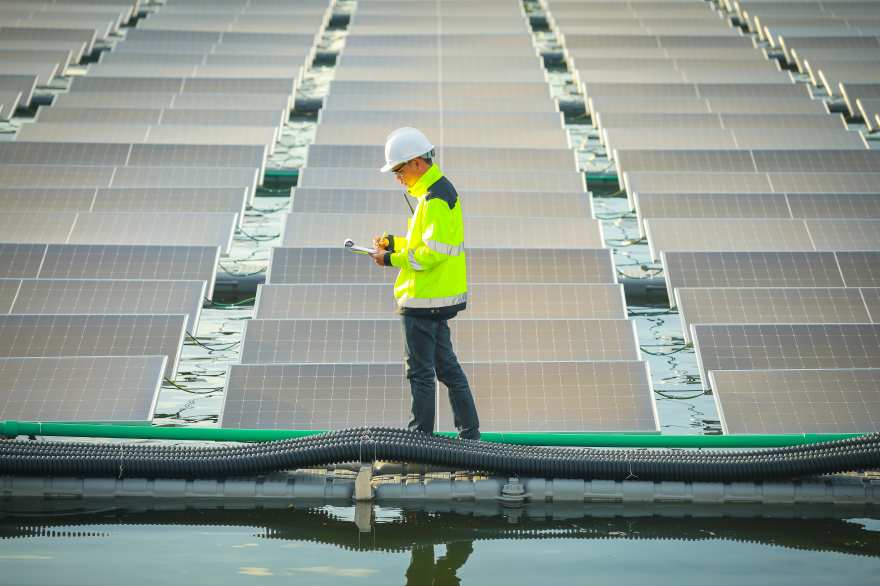
Environmental
engineers are problem-solvers who tackle issues at the intersection of nature
and society. Their work spans across multiple domains, such as:
- Water and wastewater
treatment
– Designing systems that provide clean drinking water and safely process
sewage.
- Air quality management – Developing
technologies and regulations to reduce emissions and improve air quality.
- Solid and hazardous
waste management – Creating systems for recycling, safe disposal, and reducing
harmful waste.
- Environmental impact
assessment – Evaluating projects to minimize their ecological footprint.
- Sustainable design – Incorporating
eco-friendly practices into construction, industry, and urban planning.
Their
main goal: protect human health while preserving natural ecosystems.
Hydrologist
Hydrologists
focus on how water behaves in the natural environment. They track water
through the atmosphere, across the land, and underground, answering questions
like:
- Where does rainfall go
once it hits the ground?
- How much water is
available in rivers, lakes, and aquifers?
- How does human activity
affect water quality and supply?
- What risks do floods and
droughts pose to communities?
Their
work includes:
- Measuring and monitoring rainfall, snowmelt,
river flows, and groundwater.
- Modeling water systems to predict droughts,
floods, and long-term water availability.
- Assessing water quality for pollution,
salinity, and contamination.
- Advising policymakers on sustainable water
use, conservation, and climate adaptation.
- Supporting industries like agriculture,
hydropower, and urban planning with water data.
Hydrologists
are central to solving today’s water challenges. With climate change
intensifying storms, shifting rainfall patterns, and straining water supplies,
their insights are vital. They help cities prepare for floods, farmers optimize
irrigation, and governments plan sustainable water policies.
Waste water treatment engineer
Storm water management specialist
Climate change analyst
Ground water modeler
Environmental impact assessment consultant
Water supply and distribution engineer
River basin manager
Water quality scientist
Sustainable infrastructure engineer
Irrigation and drainage engineer
Solid and hazardous waste engineer
Renewable energy and hydropower engineer
Coastal and marine engineer
Environmental policy and regulation advisor
Urban water systems engineer
Environmental data scientist
Essential skills for African students to succeed in those careers
When starting a career, young engineering graduate faces
challenges before entering the core of work community, communication is the
first challenge.
To become successful in the field of engineering, one must
have variety of competences. The need to include also non-technical skills.
Technical expertise
Digital and data tools
Soft and leadership skills
Developing skills such as communication, team work and
problem-solving skills in addition to having a well-structured engineering
potifolio can make you stand out in future.
Tips for engineering students to standout in the job market

1.
Pursue certifications and specialized training
(e.g. GIS, environmental modeling).
2.
Gain practical experience through internships,
research, or volunteering to keep engaged in the industry.
3.
Stay updated with projects, technologies and
policies shaping water and environment.
4.
Network with professionals through institutions,
conferences, and social media to connect and explore and unlock more insights.
5.
Contribute to research and publications to
showcase expertise.
Pro tip for change makers, enthusiasm and entrepreneurship minded students, innovators and professionals.
Future trends driving water and environmental engineering in Africa

Climate reliance and adaptation; building systems to withstand climate shocks.
Smart water technologies in African cities; IoT and sensors
for efficient use.
Green and sustainable infrastructure; Eco-friendly
construction and planning.
AI, GIS, and data science in water management; Digital tools
transforming decision making
Building a sustainable future through engineering careers
The demand for skilled water and environmental engineers will continue growing in 2025 and beyond. Students who prepare with the right skills, embrace innovation, and remain committed to sustainability will find them selves at the heart of Africa’s transformation. The careers listed here are not just jobs, they are pathways to impact, growth, and a greener future for the continent.
Comments
Post a Comment